
Double-Coated Dog Grooming: The Ultimate Guide to a Healthy, Happy Coat
Double-coated dog breeds, with their majestic appearance and often spirited personalities, capture the hearts of many. From the fluffy grandeur of a Samoyed to the dignified stance of a German Shepherd or the sunny disposition of a Golden Retriever, these breeds boast a unique fur structure designed for survival in diverse climates. However, this magnificent double coat comes with a special set of grooming needs that, if ignored or improperly handled, can lead to discomfort, health issues, and a less-than-lustrous appearance for your beloved canine companion.
This comprehensive guide will dive deep into the world of double-coated dog grooming, revealing the best practices to ensure your dog’s coat remains healthy, functional, and beautiful. We’ll dispel common myths, explain essential tools, and provide a step-by-step approach to keep your double-coated friend comfortable year-round.
Understanding the Marvel of a Double Coat
Before we delve into grooming, it’s crucial to understand what makes a double coat so unique. A double coat consists of two distinct layers:
- The Undercoat: This layer is soft, dense, and fluffy, growing close to the dog’s skin. Its primary function is insulation, trapping air to keep the dog warm in cold weather and cool in hot weather by regulating body temperature. It sheds seasonally, often in large amounts, in what’s known as ‘blowing coat’.
- The Guard Hairs: These are the longer, coarser, and often waterproof outer hairs that give the coat its color and texture. They protect the undercoat and skin from dirt, moisture, UV rays, and external injuries.
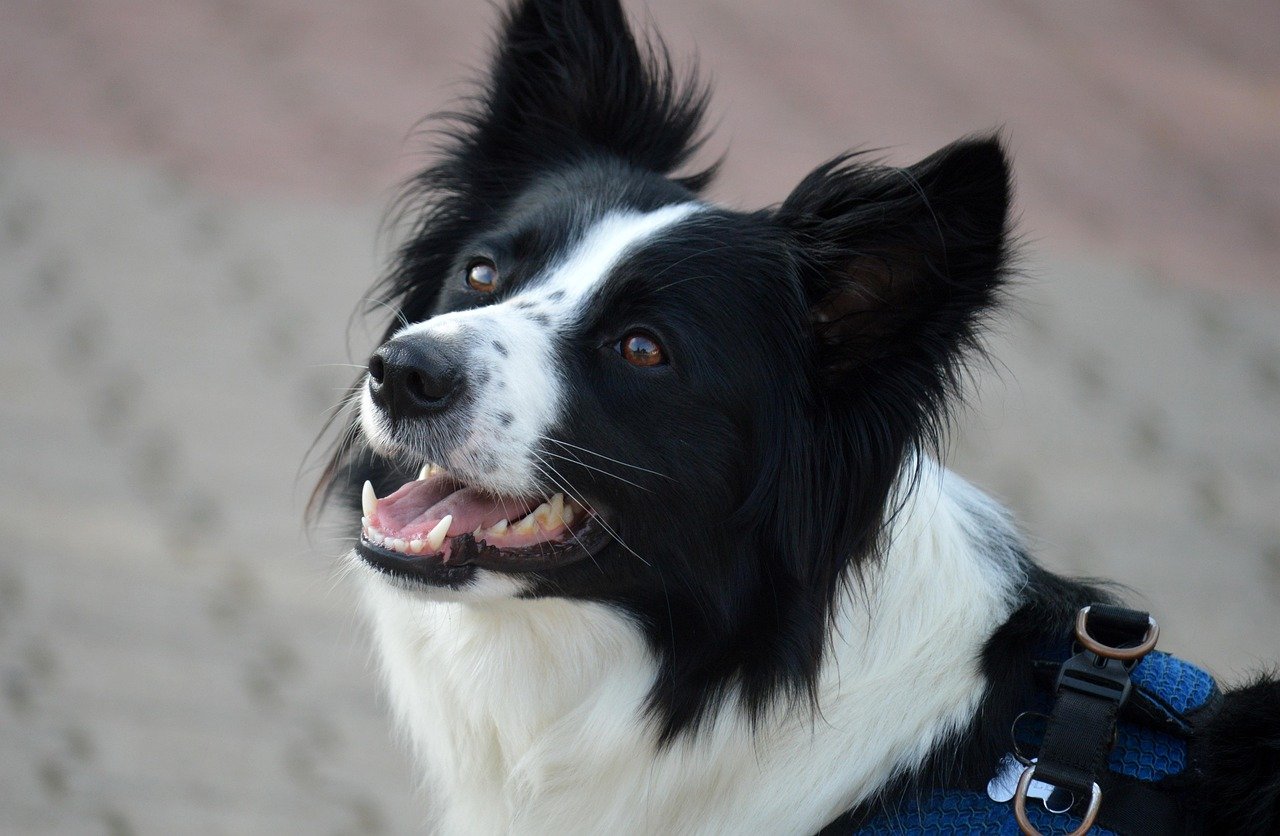
Together, these layers form a natural protective barrier. Common breeds with double coats include Siberian Huskies, Alaskan Malamutes, Australian Shepherds, Border Collies, Bernese Mountain Dogs, Great Pyrenees, and Newfoundlands, among many others.
Why Proper Double-Coated Dog Grooming is Non-Negotiable
Neglecting a double coat can lead to several severe problems:
- Matting: The dense undercoat, if not regularly brushed out, can become severely matted, especially in areas of friction like behind the ears, armpits, and britches. Mats pull on the skin, causing pain, restricting blood flow, and creating a breeding ground for bacteria, leading to hot spots and skin infections.
- Overheating: A matted or excessively thick undercoat prevents air circulation, trapping heat close to the skin. This can lead to overheating, especially in warm climates. Paradoxically, the coat’s natural insulation helps keep them cool, but only if it’s healthy and properly maintained.
- Skin Issues: Lack of air circulation due to mats or excessive dead undercoat can cause skin irritation, dryness, dandruff, and make your dog more susceptible to parasites.
- Uncomfortable Shedding: While shedding is natural, improper grooming leads to excessive loose fur around your home and can make your dog uncomfortable as dead hair clings to their body.
Essential Grooming Tools for Double-Coated Dogs
Investing in the right tools is paramount for effective double-coated dog grooming:
- Undercoat Rake/Deshedding Tool: Designed with long, sturdy teeth, these tools reach deep into the undercoat to pull out loose, dead hair without damaging the guard hairs.
- Slicker Brush: Excellent for removing surface mats, tangles, and general loose hair. Choose one with bent wire bristles.
- Pin Brush: Useful for general brushing, especially for longer guard hairs, and to fluff the coat.
- Wide-Toothed Comb: Perfect for checking your work and ensuring no mats remain after brushing.
- High-Velocity Dryer: An absolute game-changer. These powerful dryers blow out loose undercoat and thoroughly dry the coat, preventing mildew and hot spots. Never use a human hairdryer, which can be too hot.
- Dog-Specific Shampoo & Conditioner: Choose formulas designed for dogs’ pH balance, preferably one that aids in deshedding.
- Nail Clippers or Grinder: To keep nails at a healthy length.
- Ear Cleaner: To maintain ear hygiene.
Step-by-Step Double-Coated Dog Grooming Best Practices
1. Consistent Brushing is Key
Brushing is the cornerstone of double-coated dog grooming. The frequency depends on the breed, individual dog’s coat, and shedding season, but generally, 2-3 times a week is a good starting point, increasing to daily during seasonal ‘coat blows’.
Media Partnership SpacePromote with PetsyGram →
Reach thousands of active pet owners by feature-partnering inside our reader stream.
- Technique: Line Brushing. This method ensures you reach all layers of the coat. Part the hair in a small section, brush down to the skin, then move to the next section. Work systematically across the entire body.
- Start with a Slicker Brush: Gently work through any surface tangles or smaller mats.
- Follow with an Undercoat Rake: Use the rake to pull out the dead undercoat. Be gentle but firm, ensuring you’re not pulling on the skin. Focus on areas like the neck, chest, armpits, and ‘britches’ (fluffy areas on hind legs) that are prone to matting.
- Finish with a Pin Brush or Comb: Use a pin brush to smooth the guard hairs and a wide-toothed comb to double-check for any missed tangles or mats. If the comb glides through, you’ve done a great job!
2. Bathing Done Right
Bathing should be done every 4-6 weeks or as needed, depending on activity level and cleanliness. Avoid over-bathing, as it can strip natural oils.
- Pre-Bath Brushing: ALWAYS thoroughly brush your dog before bathing. Water will tighten mats, making them nearly impossible to remove.
- Saturate Completely: Ensure every strand of hair, down to the skin, is wet. This can take time with a dense double coat.
- Shampoo Application: Dilute dog shampoo (read label instructions) and work it deep into the coat. Pay attention to all areas.
- Thorough Rinsing is Critical: Rinse, rinse, and rinse again! Any shampoo residue left on the skin can cause irritation, dryness, and flaking. Keep rinsing until the water runs clear and you feel no slippery residue.
- Conditioning: A good dog-specific conditioner can help detangle, hydrate the skin, and promote a healthy coat. Rinse thoroughly after conditioning.
3. The Power of the High-Velocity Dryer
This is arguably the most important tool for drying a double coat. Air drying is not an option; it can take days for a dense undercoat to dry naturally, leading to mildew, hot spots, and skin infections.
- Towel Dry First: Remove as much excess water as possible with absorbent towels.
- Use the High-Velocity Dryer: Start on a lower setting and gradually increase. Hold the nozzle close to the skin and point it in the direction of hair growth. Section the coat and ‘line dry’, using the force of the air to push out remaining loose undercoat.
- Safety First: Protect your dog’s ears from the noise, and ensure the air is not too hot. Keep the dryer moving to avoid concentrating heat in one spot. This process can take a significant amount of time but is vital.
- Brush While Drying: As the coat dries, continue to brush with a slicker or pin brush to help separate the hairs and aid in removing more loose undercoat.
4. Nail Trimming and Ear Cleaning
- Nails: Trim nails regularly (every 2-4 weeks) with clippers or a grinder to prevent overgrowth, which can cause pain, gait issues, and even arthritis.
- Ears: Check ears weekly for redness, odor, or discharge. Clean with a vet-approved ear cleaner as needed, especially after baths.
The Dangers of Shaving a Double Coat
This is a critical point: NEVER shave a double-coated dog unless medically necessary (e.g., severe matting beyond saving, surgery) and recommended by a veterinarian. Shaving destroys the natural insulation system. It can lead to:
- Heatstroke: Removing the protective layer exposes skin to direct sun, making them prone to sunburn and hindering their ability to regulate temperature.
- Improper Regrowth: The guard hairs often do not grow back correctly, leading to a dull, patchy, cottony, or even coarse coat that no longer performs its natural functions effectively. This is often called ‘clipper alopecia’ or ‘coat destruction’.
- Increased Matting: Sometimes, the undercoat grows back faster and coarser, leading to even more severe matting.
Seasonal Considerations for Double-Coated Dog Grooming
- Spring/Fall ‘Coat Blow’: Expect significantly increased shedding during these periods as your dog sheds its winter or summer undercoat. Increase brushing frequency dramatically.
- Summer: Focus on thorough deshedding to keep the coat light and airy, allowing air to circulate. Never shave to keep them cool; their coat is their natural air conditioning. Provide plenty of shade and water.
- Winter: Maintain a clean, dry coat. A matted or wet coat loses its insulating properties, making your dog colder.
Conclusion
Mastering double-coated dog grooming is an act of love and commitment. By understanding the unique needs of your dog’s double coat, using the right tools, and implementing consistent best practices, you’ll not only keep your furry friend looking their best but, more importantly, ensure their comfort, health, and well-being. Regular grooming strengthens your bond and allows you to catch potential health issues early. Embrace the brushes, the baths, and especially that high-velocity dryer – your double-coated companion will thank you with a healthy, happy wag of their tail and a beautiful, functional coat!