
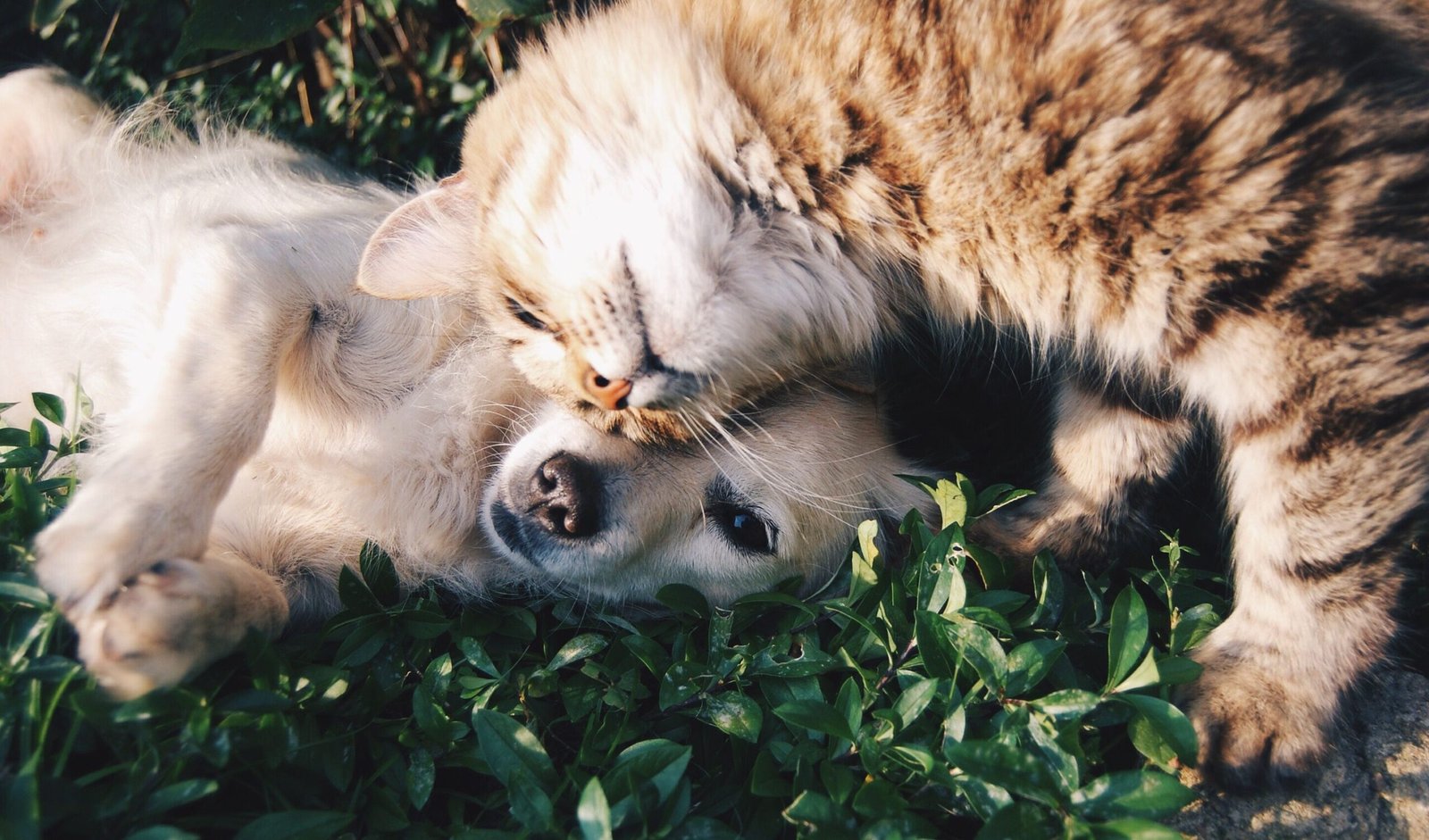
The Pet Effect: Unlocking the Profound Psychological Benefits of Animal Companionship
In our fast-paced, often stressful modern world, finding consistent sources of comfort, joy, and mental well-being is more crucial than ever. While many avenues exist, one of the most accessible and heartwarming solutions comes in the form of a wagging tail, a soft purr, or a gentle chirp: pet ownership. Beyond the obvious cuddles and companionship, the act of bringing an animal into your home offers a cascade of profound psychological benefits of pet ownership that can transform your mental health and overall quality of life. This isn’t just anecdotal; science increasingly supports what pet lovers have known all along – pets are powerful allies for our minds.
From reducing anxiety to fostering social connections and giving our lives a renewed sense of purpose, the ‘Pet Effect’ is a phenomenon worth exploring. Let’s delve deep into how opening your heart and home to an animal can unlock a healthier, happier you.
Stress Reduction & Anxiety Alleviation: The Calming Paw
Perhaps one of the most immediate and well-documented psychological benefits of pet ownership is their remarkable ability to reduce stress and anxiety. Imagine a particularly rough day; walking through the door to be greeted by an enthusiastic dog or a purring cat can instantly melt away tension. This isn’t just a feeling; it’s a physiological response.
The Science Behind the Calm
- Lower Cortisol Levels: Studies show that interacting with pets can significantly decrease levels of cortisol, the primary stress hormone. Even just a few minutes of petting an animal can lead to a measurable reduction in stress.
- Increased Oxytocin Production: Petting, cuddling, and playing with pets stimulate the release of oxytocin, often called the ‘love hormone.’ Oxytocin promotes feelings of attachment, trust, and well-being, effectively counteracting feelings of stress and anxiety.
- Heart Rate and Blood Pressure Reduction: The calming presence of a pet can lead to lower heart rates and blood pressure, contributing to an overall sense of relaxation. This is why therapy animals are so effective in hospitals and stressful environments.
The rhythmic motion of stroking a pet, their non-judgmental presence, and the simple act of focusing on another living being can pull us out of our own heads, offering a much-needed mental break from worries and overthinking. This direct interaction provides a tangible and immediate form of stress relief, making pets invaluable companions for those grappling with daily pressures or chronic anxiety.
Combating Loneliness & Fostering Social Connections
In an increasingly isolated society, pets serve as vital bridges to companionship and community. For many, a pet is their closest confidante, offering unwavering support without uttering a single word.
A Constant, Unconditional Companion
Pets offer pure, unconditional love and acceptance. They don’t care about your job title, your past mistakes, or your current mood; they’re simply happy to be with you. This unwavering presence is profoundly comforting, especially for individuals living alone, seniors, or those struggling with social anxiety. The constant companionship helps to fill the void of loneliness, providing a sense of belonging and being needed.
Bridging Social Gaps
Beyond direct companionship, pets are incredible social catalysts. Walking a dog often leads to conversations with other dog owners. A cute cat photo posted online can spark engagement and connection. Pet ownership opens doors to new social circles, from local dog parks and pet-friendly cafes to online communities of fellow animal lovers. These interactions, however brief, contribute to a stronger sense of community and reduce feelings of isolation.
Boosting Mood & Fighting Depression
The joy that pets bring into our lives is palpable. Their playful antics, affectionate gestures, and unwavering devotion can be powerful antidotes to sadness and symptoms of depression.
Unconditional Love & Non-Judgmental Support
When you’re feeling down, a pet’s unconditional affection can be a powerful balm. They offer a safe space, free from judgment, where you can simply be yourself. This acceptance is crucial for maintaining a healthy self-esteem and coping with difficult emotions. Their ability to sense our emotions and respond with comforting nudges or purrs is truly remarkable.
Routine, Purpose, and Responsibility
Owning a pet introduces a much-needed routine and sense of purpose into one’s life. Pets rely on their owners for feeding, walks, play, and care. This responsibility can be incredibly motivating, providing structure to daily life and encouraging owners to get up, move, and engage, even on days when they might not feel like it. This sense of being needed and having a purpose is a critical factor in combating feelings of hopelessness often associated with depression.
Media Partnership SpacePromote with PetsyGram →
Reach thousands of active pet owners by feature-partnering inside our reader stream.
Enhancing Physical Health (and its Psychological Link)
While often categorized as physical, the health benefits linked to pet ownership have significant psychological ripple effects. A healthier body often leads to a healthier mind.
Increased Activity Levels
Dog owners, in particular, tend to be more physically active. Regular walks, playtime in the park, and even just bending down to feed or pet your animal all contribute to increased physical activity. Exercise is a proven mood booster, releasing endorphins that naturally elevate spirits and reduce stress. The commitment to a pet’s exercise needs indirectly ensures you get yours too.
Better Sleep, Better Mind
The calming presence of a pet, especially if they sleep in the same room (or even bed!), can contribute to a greater sense of security and relaxation, leading to improved sleep quality. And we all know that a well-rested mind is a more resilient, focused, and happier mind.
Developing Empathy & Responsibility
Pet ownership teaches invaluable life lessons, fostering personal growth and emotional intelligence in individuals of all ages.
Nurturing Instincts
Caring for a vulnerable creature hones our nurturing instincts. Understanding a pet’s non-verbal cues, anticipating their needs, and providing consistent care builds empathy and compassion. This skill translates into better relationships with other humans and a greater understanding of the world around us.
Life Lessons for All Ages
For children, pets teach responsibility, patience, and the circle of life. For adults, they reinforce the importance of routine, selflessness, and the profound impact of love. The bond formed with a pet is a testament to our capacity for deep connection and care.
Conclusion: Unleash Your Well-being with a Pet
The psychological benefits of pet ownership are undeniable and far-reaching. From reducing stress and anxiety to combating loneliness, boosting mood, enhancing physical health, and fostering empathy, pets enrich our lives in countless ways. They are more than just animals; they are therapists, confidantes, motivators, and best friends. If you’re seeking a natural, heartwarming pathway to improved mental health and a more fulfilling life, perhaps it’s time to open your home and heart to the profound and transformative ‘Pet Effect’. Your mind (and your new companion) will thank you.