
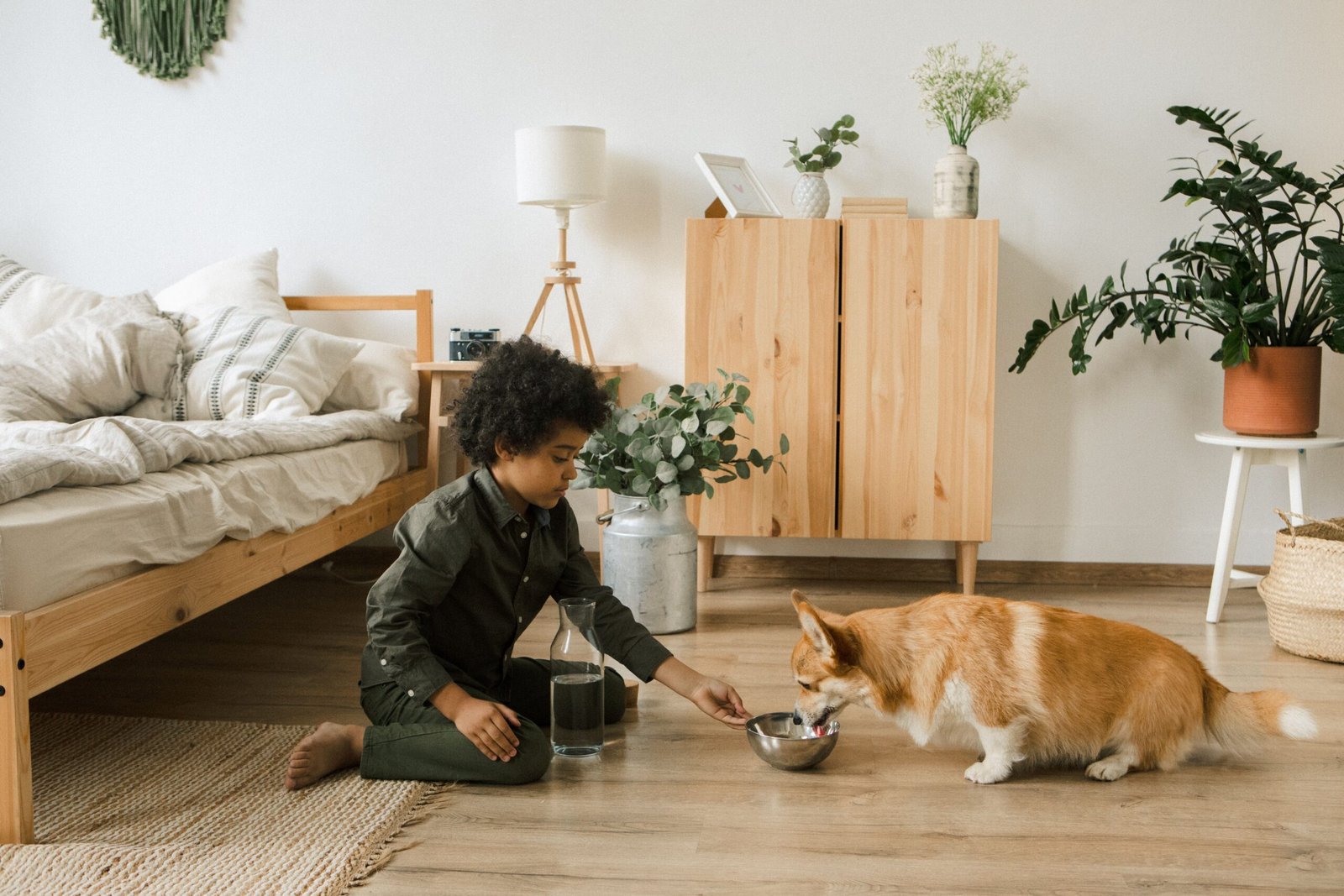
Unleash Their Inner Genius: Top Indoor Activities for Mentally Stimulated Pets
Unleash Their Inner Genius: Top Indoor Activities for Mentally Stimulated Pets
In our busy lives, providing our beloved pets with regular exercise is often a top priority. But what about their minds? Just like humans, dogs and cats thrive on mental engagement. Without it, even the most active pet can fall victim to boredom, leading to destructive behaviors, anxiety, and a generally unhappy disposition. Think of a rainy day, a small living space, or even recovery from an injury – these situations limit outdoor adventures, making indoor pet mental stimulation not just a luxury, but a necessity.
Mental stimulation is about more than just physical play; it challenges your pet to think, problem-solve, and use their natural instincts. It builds confidence, strengthens your bond, and ultimately creates a happier, healthier, and better-behaved companion. So, how can you transform your home into a playground for their minds? Let’s explore some of the most effective and engaging indoor pet activities to keep your furry friends sharp, content, and creatively occupied.
The Power of Play: Why Mental Stimulation Matters
A mentally stimulated pet is a happy pet. When pets are bored, they often find their own ways to entertain themselves, which might include chewing furniture, excessive barking/meowing, digging, or even aggression. Providing consistent mental enrichment helps to:
- Reduce Destructive Behaviors: A tired mind is less likely to seek out trouble.
- Boost Confidence: Successfully solving a puzzle or learning a new trick builds self-esteem.
- Prevent Cognitive Decline: Keeps their brains active and adaptable, especially as they age.
- Strengthen Your Bond: Shared activities and learning experiences deepen your relationship.
- Alleviate Anxiety and Stress: Engaged pets are often calmer and more secure.
Ready to unlock your pet’s full potential? Let’s dive into some fantastic indoor ideas!
1. Engaging Puzzle & Enrichment Toys
These toys are specifically designed to make your pet think for their rewards, tapping into their natural foraging and problem-solving instincts.
- Food Dispensing Puzzles: From simple treat-dispensing balls to complex multi-step puzzles, these are fantastic for slowing down mealtime and engaging your pet’s brain. For dogs, consider KONGs stuffed with treats or peanut butter, or snuffle mats that require them to ‘hunt’ for kibble. For cats, look for puzzle feeders that require batting or pawing.
- Lick Mats: Spread with pet-safe peanut butter, yogurt, or wet food, these provide a calming and mentally engaging activity as your pet meticulously licks every morsel. The repetitive licking motion can be very soothing.
- Interactive & Remote Control Toys: Laser pointers (use with caution and always end with a tangible reward for cats to avoid “frustration hunting”), self-moving balls, or even remote-control mice for cats can provide bursts of engaging activity.
2. Unleash Their Inner Scholar: Training & Brain Games
Training isn’t just for puppies or basic obedience; it’s a powerful tool for dog brain games and cat mental games, providing structure, challenge, and positive reinforcement.
Media Partnership SpacePromote with PetsyGram →
Reach thousands of active pet owners by feature-partnering inside our reader stream.
- Learn New Tricks (or Refresh Old Ones): Beyond “sit” and “stay,” teach your dog “shake a paw,” “roll over,” “fetch a specific toy,” or even “play dead.” Cats can learn to high-five, come when called, or fetch small toys using clicker training.
- “Find It!” Games: Hide treats or favorite toys around the house and encourage your pet to sniff them out. Start easy and gradually increase the difficulty. This taps into their incredible sense of smell and provides wonderful canine mental exercise and feline enrichment ideas.
- Shell Game: Place a treat under one of three cups, shuffle them around, and let your pet use their nose (and eyes!) to find the treat.
- Obstacle Courses: Use household items like pillows, blankets, or low chairs to create a simple, safe obstacle course for your pet to navigate. Guide them through with treats.
3. Sensory Exploration & Environmental Enrichment
Engaging all five senses (or as many as possible) can provide profound pet intellectual development.
- Window Perches & “Cat TV”: For cats, a sturdy window perch allows them to observe the outside world, providing endless entertainment and mental stimulation. Bird feeders strategically placed outside can turn this into premium “cat TV.”
- Safe Indoor Gardens: Grow pet-safe herbs like catnip, cat grass, or even basil and parsley for a stimulating sensory experience. Always ensure plants are non-toxic.
- Auditory Stimulation: Play calming music designed for pets, nature sounds, or even audiobooks at a low volume. Avoid loud or jarring noises.
- Scent Safaris: Introduce new, safe scents into their environment. A new blanket, a safely diluted pet-friendly essential oil diffuser (check for safety first), or even a ‘smell walk’ around your home letting them investigate new areas can be exciting.
- Cardboard Box Forts & Tunnels: Simple cardboard boxes can be transformed into amazing hideaways and exploration zones for cats and even small dogs. Cut holes, create tunnels, and watch their imagination soar.
4. The Human Connection: Interactive Play & Bond Building
Your presence is the most powerful tool for your pet’s mental well-being.
- Interactive Play Sessions: Dedicate time each day for focused play. Tug-of-war (with rules), feather wands for cats, or indoor fetch can burn energy and engage their minds. A flirt pole is also an excellent tool for dogs to practice chase and capture instincts in a controlled environment.
- Reading Aloud: Your soothing voice and presence can be incredibly comforting and mentally stimulating, even if they don’t understand the words. It’s a quiet bonding activity that reinforces security.
- Cuddle & Groom Sessions: Physical affection and gentle grooming provide comfort, reduce stress, and strengthen the emotional bond. This mental comfort is crucial for their overall well-being.
- Teach Toy/Item Names: Point to a toy and say its name. Reward your pet when they interact with it. Over time, you can ask them to “go get the ball” or “find the rope.” This is a fantastic cognitive exercise.
Tips for Successful Indoor Mental Stimulation
- Vary the Activities: Just like us, pets get bored with the same routine. Rotate toys and activities regularly to keep things fresh and exciting.
- Keep it Positive & Short: Mental stimulation should be fun, not frustrating. End sessions on a high note before your pet loses interest. 10-15 minute sessions multiple times a day are often more effective than one long, tedious one.
- Know Your Pet: Observe what your pet enjoys most. Some love nose work, others prefer interactive play, and some are puzzle masters. Tailor activities to their personality and breed.
- Safety First: Always supervise your pet with new toys or activities, especially those involving food. Ensure all items are pet-safe and appropriately sized.
- Start Simple: Don’t overwhelm your pet with complex tasks. Begin with easy puzzles or simple tricks and gradually increase the challenge.
Conclusion: A Mentally Stimulated Pet is a Happy, Healthy Companion
Embracing indoor pet mental stimulation is a profound way to enhance your pet’s life, especially when outdoor adventures are limited. From challenging puzzle toys and engaging brain games to enriching their environment and strengthening your bond through interactive play, the possibilities are endless. By dedicating time and creativity to their intellectual needs, you’re not just preventing boredom; you’re fostering a well-adjusted, confident, and deeply loved member of your family. So, grab a treat, pick an activity, and watch your pet’s inner genius shine!